“I’ve got a Nazi Iron Cross tattooed on my chest.”
We were chatting with a stranger across an unmanned gas pump, along an isolated road in rural east Texas. He had asked us, conversationally, what church we attended. This is a common conversation starter in this part of the world and did not surprise us. We’re Jewish so we attend synagogue, we replied, equally casually. That was when he told us that he had a swastika on his chest. He said it matter-of-factly, but there was a challenge in his eyes.
[Redirects to the Times of Israel]

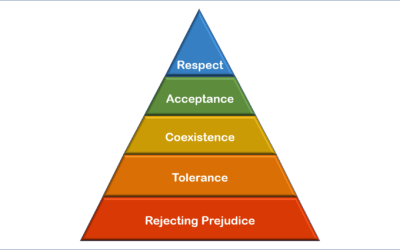
Coexist is not enough
Our holy books do not tell us to “tolerate the stranger.” They tell us to love them. [Redirects to the Times of Israel]

Hate has no community
We cannot allow terrorists to lay claim to the values of our communities. Once again, a terrorist has come into a place of peace and used community as a cover to commit an act of evil. In this case, he claimed to be working for the advancement of the white, Christian community. [Redirects to the Times of Israel]
Changing the narrative on slavery in America
If we are honest with ourselves, we have to admit that the story of slavery in America is often told by the perpetrators. Isn’t it time we started to listen to the voices of the victims? [redirects to the Times of Israel]
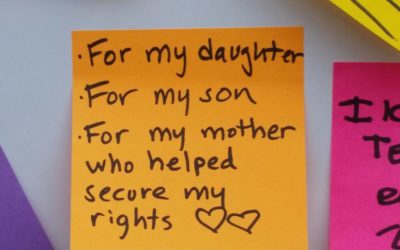
Pulling the Arc of the Moral Universe Toward Justice
How is it possible that we are still fighting racism, sexism, and antisemitism in this country? We thought we were the most forward-looking country in the world, a light unto the nations. We thought we had evolved beyond such destructive tribalism. We thought we could see the arc of the moral universe bending toward justice before our eyes.[1] We just had to sit back and let it happen.
That was our mistake. Bending toward justice does not happen when we sit back and watch. Even treading water requires effort and vigilance. [Redirects to the Times of Israel]

Familiarity Breeds Empathy
This Valentine’s Day, we can learn about loving our neighbors from watching how rats do it. [Redirects to the Times of Israel.]
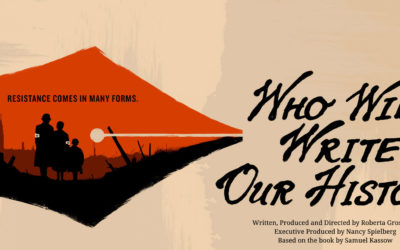
Who will write our history?
It distresses me how long it has taken for us to realize what Emanuel Ringelblum recognized in 1940 at the very inception of the Warsaw ghetto: unless we Jews tell our story, the story of the Holocaust will be told by the perpetrators. In the experiences of many of us, the story of the Holocaust has been dominated by Nazi propaganda and Nazi thinking. [redirects to the Times of Israel.]
Let the Light Shine on: Reassessing God’s role in the Holocaust
What was God’s role in the Holocaust? Was God a perpetrator, a bystander, or a savior? Many of us have grappled with these questions: Where was God during the Holocaust? How could a God who loves us let such a thing happen? [redirects to the Times of Israel]

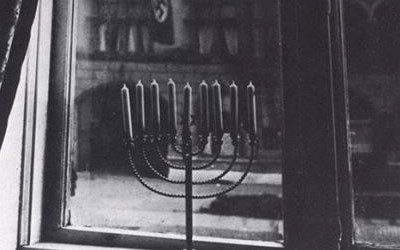
What Chanukah teaches us about Holocaust Remembrance
As Chanukah reminds us, Jews are no strangers to persecution. We have been fighting for our right to exist since the beginning of our recorded history. As we say at Passover: “In every generation, there are those who wish to destroy us.” A list of those who’ve tried would be long: Pharaoh, Amalek, Nebuchadnezzar, Haman, Antiochus, Caesar, Torquemada, to name only some. [Redirects to the Times of Israel.]
Why I teach the Holocaust in Churches
Holocaust education needs to be different in a church than in a synagogue. Although we like to think of Christians and Jews as similar, there are fundamental differences in our background knowledge of and emotional connection to the basic elements of the story of the Holocaust. These fundamental differences change how the story is heard, and therefore, how the story should be told. [Redirects to the Times of Israel.]