
Be a Holocaust Storyteller
Listen to storyteller Tanya Wisoker tell the story of Survivor Teddy Halpern.
The memories of the Holocaust are a vital part of our shared history. You can help us ensure that these stories live on.
What will we do when there are no more survivors to tell the stories? We will have to tell THEIR STORIES in OUR VOICES.
Join our Moving From Testimony to Story class
_
BE A CUSTODIAN OF HOLOCAUST MEMORY
Jump to
How do I become a Storyteller?
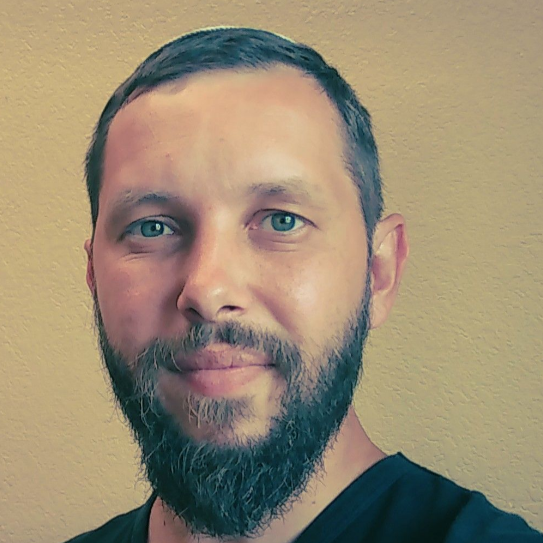
I felt like I made new family in my class. The depth of the content created a sense of sacredness, along with the safe space to explore created by everyone involved. Before storytelling, I often struggled with finding courage in my voice. Not only did I learn new stories from my class, I also learned a lot about myself. Looking forward to taking more classes!
_
Greg Eftimie
TTS Storyteller, Flower Mound, TX
The Introductory Class
Class Outline
MOVING FROM TESTIMONY TO STORY
Our 6-week storytelling course was specifically created and developed to support the new generations now standing up in witness to the Holocaust.
Over 6 weeks and 12 hours, you will
- Evaluate shared personal testimony from family or historical records.
- Research supporting documentation to support your story.
- Build, organize, and craft a testimony-based story.
- Learn storytelling craft techniques from professional storytellers.
- Receive professional coaching and peer review.
- Access optional storytelling technique and historical research workshops.
- Finish class with a 10-minute Holocaust story ready to share.
How We Guide You
THE STORY-BUILDING PROCESS
We like to say we build our stories from the inside out, one scene at a time. Rather than starting with an outline, we start by identifying incidents (scenes) that speak to you. You learn to tell those scenes. The outline – the Most Important Thing (MIT) that you want your audience to remember – will reveal itself from the scenes you choose.
What makes a compelling story is being present in the scene – getting inside the scene, at the 2-foot view rather than the 10,000-foot view.
Our proven method for helping you craft compelling stories from that two-foot view looks like this:
- Testimony: Review and perceive what you have from the subject.
- Image: Describe a still image from your scene. An image is like a photograph, a sculpture, or a paused video.
- Moment: Describe the first few seconds after you press play on the video – the “moment” that comes after the image you have described.
- Scene: Describe the action as it continues after the moment.
- Story: Put multiple scenes together.
Our Core Principles
THE CORE PRINCPLES OF TTS STORYTELLING
- Accuracy & Responsibility: Stories are anchored in history and testimony. Our staff historians help you maintain historical accuracy. Our storytelling coaches help you stay authentic to the testimony.
- Emotional Engagement: We are building stories that connect with audiences personally.
- Respect & Sensitivity: We take care that our storytellers handle survivor and victim stories with care.
THE CORE PRINCPLES OF TTS TEACHING
- A Safe & Positive Environment for Creativity & Risk-taking: Our classes rely on positive reinforcement only (“Appreciations”). This allows for risk-taking and an authentic creative process.
- Example, Interaction, & Dialogue: Each step is demonstrated by the instructors. Learning occurs through discussion, reflection, and in-class practice.
- Community: Classes are limited to 12 students, allowing each class to become an intimate, supportive community.
Getting your story out into the world
Where to Tell Your Story
THE TTS STORYTELLER BUREAU
Our Storyteller Bureau manager, Jenna Price, can help you find venues in which to tell your story. These include schools, libraries, community organizations, faith-based organizations, and many more. You get to choose what sort of venue you want, whether you want small audiences or large ones, what age groups you want to present to, and whether you want to tell in person or online.
TTS-RUN PROGRAMS
Teach the Shoah runs public programs regularly across the year, in which you are invited to participate.
- Storyteller Coffeehouses: Focused on a single story and storyteller. (This could be you!)
- Sharing Their Stories: Story-infused historical lectures, where your story could be part of the lecture. You can also learn a new story for one of these programs.
- Mini-Stories: Leading up to our Sharing programs, we post 3-minute stories related to the topic. You can use a scene from your original story if it’s appropriate or you can develop a new story just for this.
- Commemorations: TTS runs two Holocaust commemorations per year – for International Holocaust Remembrance Day in January and for Yom Hashoah in April. These include short pieces of stories (3-4 min). Yours could be one of them.
Continuing to Develop Your Story
The outcome of your introductory class is a 10-minute story. For presenting to schools or communities, you may want a longer story or a presentation built around your story. We’ve got you covered.
THE TTS STORYTELLER COMMUNITY
Once you have completed the introductory course, you become part of the TTS storyteller community. You have the support of your fellow storytellers in practicing and developing your story and presentation.
WORKING SESSIONS
We provide you with many opportunities to continue to work on your story.
- Open Working Sessions: These are chances to work with other storytellers on developing your story under the guidance of our Storytelling Mentor, Jennifer Rudick Zunikoff. These happen monthly and are free. They are only open to class graduates.
- One-on-one coaching: You can get additional individual coaching with one of your instructors or our other professional storytelling coaches. There is a fee for this service, and it is open to anyone.
- Program Development Workshops: These workshops are designed to give you a chance to brainstorm with instructors and other storytellers how to increase the length of your story and build a presentation around it.
GRADUATE WORKSHOPS
We also provide you with many opportunities to continue your storytelling education. These are free and only open to class graduates. Classes include
- Knowing your audience
- Using slides with your presentation
- Creating history presentations
- Using your physical space
- Taking care of yourself as a storyteller
- Taking care of your audience
Frequently asked questions
Why only appreciations? I want suggestions.
There are two reasons why we stick to appreciations and only offer guidance in very specific circumstances.
Story-crafting is a very personal and sensitive process, especially when it comes to difficult stories like these. Using only appreciations ensures that everyone feels they can build and experiment without worrying about being torn down.
In addition, everyone tells differently. We have several cases where two people tell the same person’s story – and the two stories are completely different. Taking suggestions too early can interfere with your creative process. If I tell you how I would tell the story, it becomes my story, not yours. For these stories to sound and feel authentic, they have to come from you.
Many people express doubts that they can build a strong story without critiques but in our experience, you absolutely can. As one of our storytellers said once, “It’s amazing how much you can improve the story with just appreciations.”
But what if I need guidance?
Every storyteller has the opportunity to work one-on-one with our professional storytelling coaches, both during the class and after. While coaches rely primarily on appreciations, some gentle guidance is offered in these coaching sessions. This can be a good way to explore aspects of your story that you are struggling with.
Do I have to tell the story in first person?
Absolutely not. Many of our storytellers do use first person, which can be a powerful way to present a story. But many of our storytellers use third person. How you tell your story is entirely up to you. We may ask you to try out a technique, such as telling in first person, as an exercise in a workshop, but when you present your story, you choose the perspective you use.
Many people are uncomfortable with the idea of telling someone else’s story in first person when they start (see the next tab) but find it works well for them once they try it.
Isn’t it disrespectful to tell someone else’s story in first person?
We are very careful to be clear that we are telling someone else’s story. When telling in schools, we will often start by saying the equivalent of, “I am not Margot, but telling Margot’s story as if it were my own is the best way I know to convey the power of this story to you.”
Some of our work involves storytellers interviewing survivors and learning to tell their stories. The survivors are almost always thrilled to have the stories told in first person.
That being said, if you are telling the story of a living family member, it’s best to get their permission not only to tell the story in first person but to tell it at all.
Do I have to be a good writer?
No. Storytelling is different from speechwriting. In our class, you will not be writing a story down. You will be learning to tell a story as if it were your own, whether you tell it in first person or third. It is this authentic telling-from-the-heart that makes storytelling so powerful.
What if I'm too shy to be a storyteller?
Many people are nervous starting out. For this reason, we do most of our practicing in partners. With just one other person listening, there’s less pressure to be perfect. In addition, you won’t start with a complete story. You’ll start with an image and a moment, and then slowly learn to wind your story around those.
Why only appreciations? I want suggestions.
There are two reasons why we stick to appreciations and only offer guidance in very specific circumstances.
Story-crafting is a very personal and sensitive process, especially when it comes to difficult stories like these. Using only appreciations ensures that everyone feels they can build and experiment without worrying about being torn down.
In addition, everyone tells differently. We have several cases where two people tell the same person’s story – and the two stories are completely different. Taking suggestions too early can interfere with your creative process. If I tell you how I would tell the story, it becomes my story, not yours. For these stories to sound and feel authentic, they have to come from you.
Many people express doubts that they can build a strong story without critiques but in our experience, you absolutely can. As one of our storytellers said once, “It’s amazing how much you can improve the story with just appreciations.”
But what if I need guidance?
Every storyteller has the opportunity to work one-on-one with our professional storytelling coaches, both during the class and after. While coaches rely primarily on appreciations, some gentle guidance is offered in these coaching sessions. This can be a good way to explore aspects of your story that you are struggling with.
Do I have to tell the story in first person?
Absolutely not. Many of our storytellers do use first person, which can be a powerful way to present a story. But many of our storytellers use third person. How you tell your story is entirely up to you. We may ask you to try out a technique, such as telling in first person, as an exercise in a workshop, but when you present your story, you choose the perspective you use.
Many people are uncomfortable with the idea of telling someone else’s story in first person when they start (see the next tab) but find it works well for them once they try it.
Isn’t it disrespectful to tell someone else’s story in first person?
We are very careful to be clear that we are telling someone else’s story. When telling in schools, we will often start by saying the equivalent of, “I am not Margot, but telling Margot’s story as if it were my own is the best way I know to convey the power of this story to you.”
Some of our work involves storytellers interviewing survivors and learning to tell their stories. The survivors are almost always thrilled to have the stories told in first person.
That being said, if you are telling the story of a living family member, it’s best to get their permission not only to tell the story in first person but to tell it at all.
Do I have to be a good writer?
No. Storytelling is different from speechwriting. In our class, you will not be writing a story down. You will be learning to tell a story as if it were your own, whether you tell it in first person or third. It is this authentic telling-from-the-heart that makes storytelling so powerful.
What if I'm too shy to be a storyteller?
Many people are nervous starting out. For this reason, we do most of our practicing in partners. With just one other person listening, there’s less pressure to be perfect. In addition, you won’t start with a complete story. You’ll start with an image and a moment, and then slowly learn to wind your story around those.
I have a family story
I found the Storytelling for Families of Survivors sessions to be transformational – not only in terms of my ability to recreate and tell a story of a loved one, but also with my ability to emotionally connect to my family’s past.
_
Genie Glucksman
Speaker Bureau Coordinator, Metro DC Generations After
I know my family's story needs to be told, but how can I tell their story when I find it so upsetting?
Telling the stories of family members can be difficult – especially the stories of parents. We are here to support your journey. Our intimate classes, often filled with other children and family members of survivors, create a safe and supportive space for this difficult work. TTS also has a peer support specialist, Cantor Karen Webber, on staff to help you.
It is also important to recognize that your own story is part of the story of the Holocaust. Your childhood experiences reflect the Holocaust experiences of your parent(s). As part of the class, we will explore your part in the story you are developing and how that impacts how you tell it and what you choose to tell. Which parts of the story you choose to tell is entirely up to you.
I don't know much about my family story. How can I learn more?
Many people have this problem. Our staff historians are on hand to help you fill in the gaps, and they love a “history mystery.” Even if you can’t find much, we have experience creating compelling and true stories around small amounts of information. Often a story can be built by weaving what little you know about your family’s story with the history we know from the time.
I have so much information, I don't know where to start.
This is a common problem, and our method is particularly well suited to help you solve it. We start by finding a few incidents (scenes) that speak to you. This is how we narrow down from too much information to information we can work with. By finding the pieces that speak to you, you build an authentic story that has deep meaning for you.
I don’t have a family story
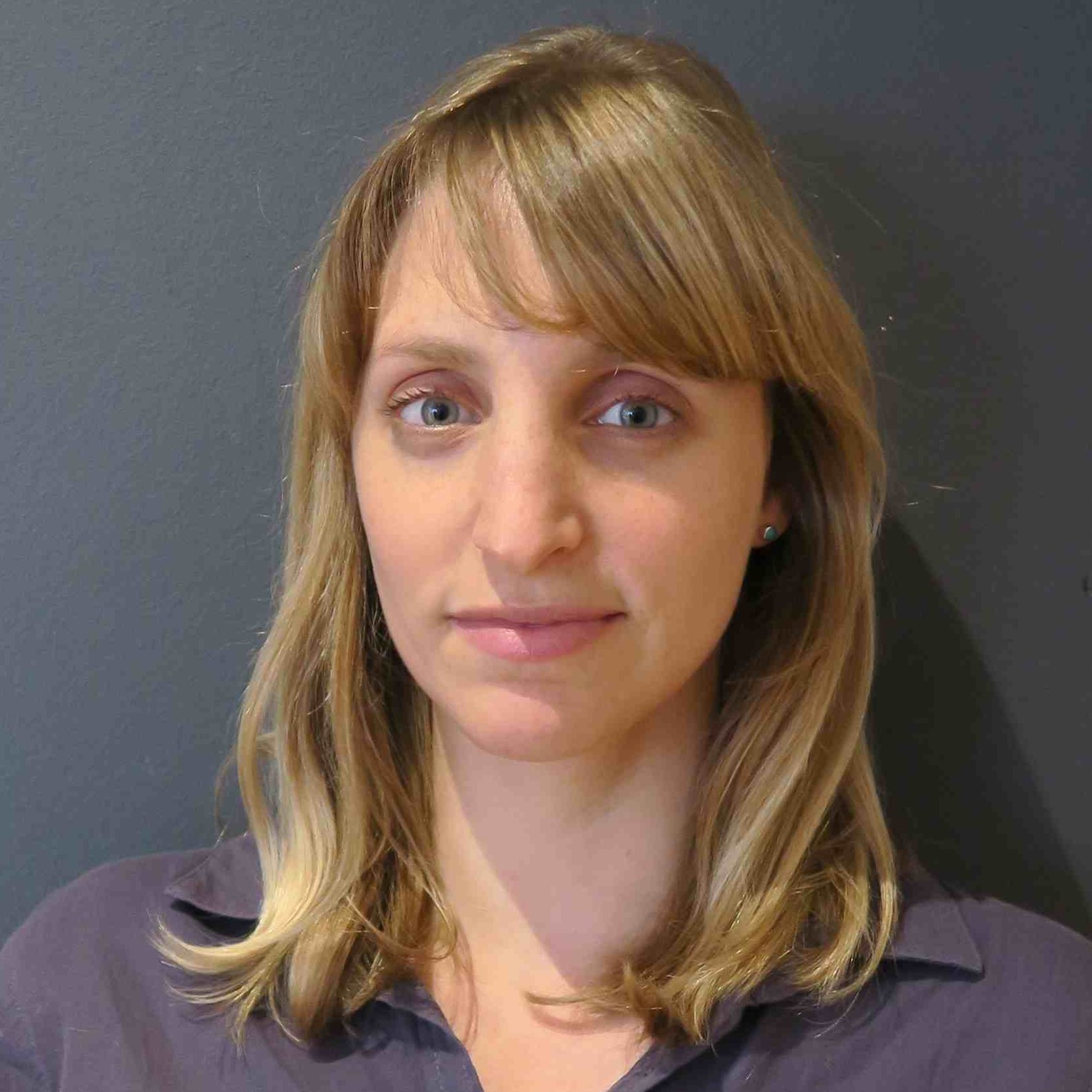
What Teach the Shoah does that is so great is open up the field of Holocaust Education to everyone.
_
Orli Barnett
Director of Education, Cape Town Holocaust & Genocide Center
What if I don’t have a story to tell?
Many people come to us without a particlar story they want to tell. Our staff historians are masters at finding stories that will interest you.
You will start by filling out our Story Choice Questionnaire, which will give us information about what sort of story you are looking for. You can choose to limit the age of the subject, whether they survived, where they lived, and what sort of experiences they had.
Using this information, our historians will give you several options of stories. You will have no trouble finding one that speaks to you.
Do I have the right to tell one of these stories?
At TTS, we strongly believe that not only does everyone, no matter who they are, have the right to tell these stories – they have the obligation to do so. Our storytellers include Jews who have family stories, Jews who do not have family stories, and non-Jews from all sorts of backgrounds. No matter who your ancestors were, the Holocaust is part of your story.
We believe it is essential that people who are not related to Holocaust survivors – both Jews and non-Jews – tell these stories. If the only people who tell Holocaust stories are family members of survivors, we risk it becoming a family story. The story of the Holocaust is bigger and more important than that.
Thank you for being part of this important work.