
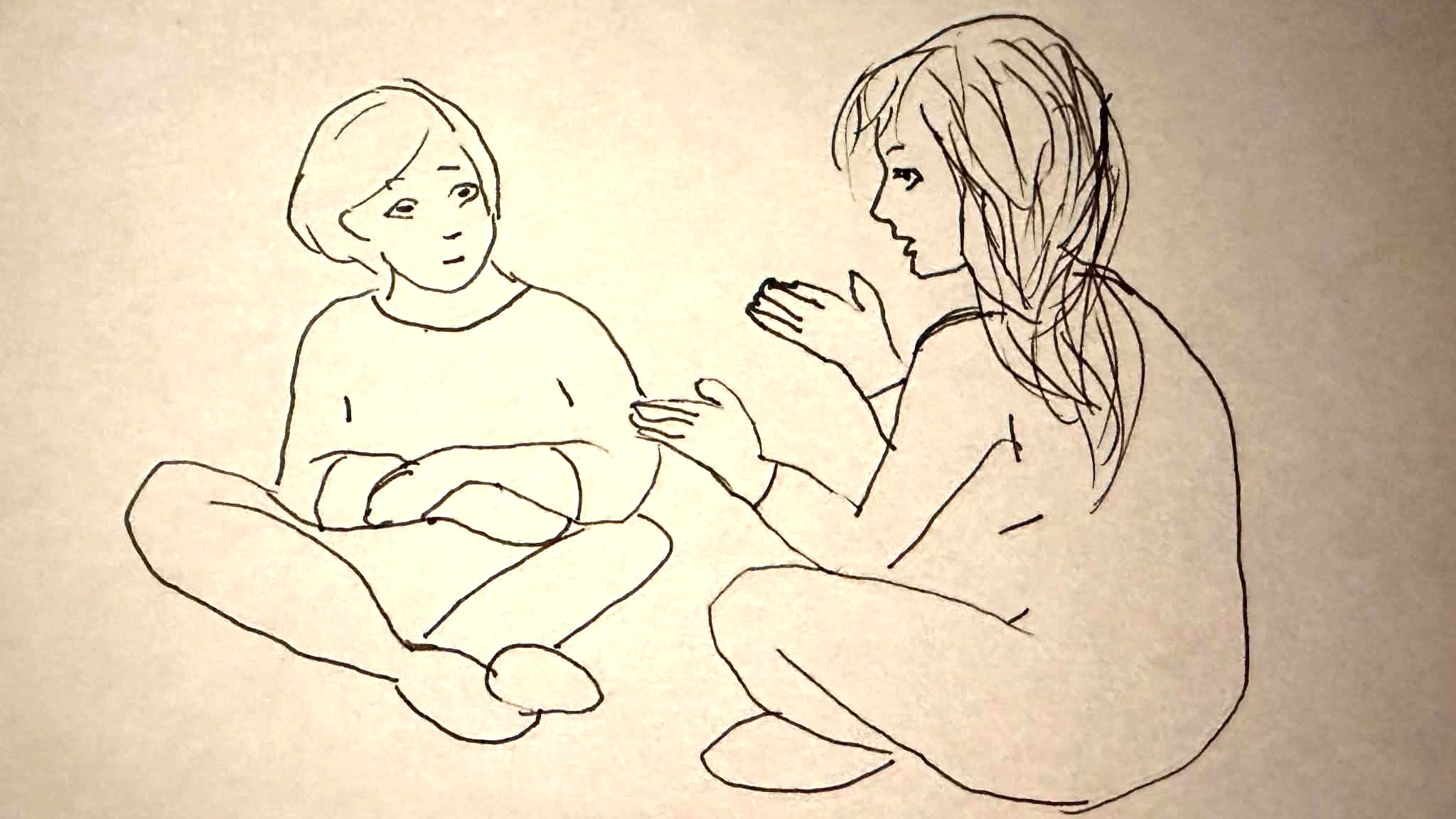
It is stunning when you hear antisemitism casually tumble from someone’s mouth.
During a recent social visit, I heard an otherwise kind person remark that “they” controlled the banking industry.
I paused, for I instantly caught his meaning. This was not the first time I had heard him make antisemitic comments. I had previously heard him say it’s funny it was Judah who wanted to sell Joseph into slavery because it’s typical for a Jew to want to make money off a situation. That time, I was overhearing a private conversation, so I could not speak up. This time was different.
I stopped him. Piece by piece, I asked short questions until he angrily blurted out “The Jews.”
He was livid. I had questioned his authority, quietly suggesting that his “facts” were not facts. I had forced him to state outright a belief that is only backed up by superstition and prejudice.
Unfortunately, he is a lay-leader in the church that most of the other guests attend. They respect him and believe he knows more than they do.
“The Rockefellers and Rothschilds are well known to be influential in that business,” another guest piped up. The Rockefellers are not Jewish, I explained as calmly as possible, and the Rothschilds have not been in banking for generations.
The group began to murmur that this was not the time nor place to discuss such matters. I begged to differ. What was the proper time and place, I wondered, if not when such a statement is made?
In this season of reflection, I find myself thinking about the moments like this – moments that ask something of us. Ordinary moments when we hear something wrong and have to decide what to do next.
Speaking up is not easy. The other guests at this gathering would clearly rather I had not. All they saw was that I had upset him. They knew I am Jewish, but they simply wanted us all to “play nice.” He’s a “good Christian man,” they tell me, “a good person who helps his mother.”
In the end, in an effort to calm him down, the subject was changed, and I left. I had made an impression, however. One of the women called me after. She hesitantly began to ask me questions. She was open to listening and thanked me, saying she would like to talk to me another time if I would.
Perhaps that is part of what this season asks of us: not that we fix everything, but that we refuse to let hatred pass unchallenged. We may not change the speaker, but we may reach someone else in the room.
0 Comments